fbpx

Navigate / search

Why Head Covering Was Not a Jewish Custom
Why Head Covering Was Not A Jewish Custom

In 1 Corinthians 11, the Apostle Paul commands the practice of head covering when praying and prophesying. One of the most common objections to this being practiced today is the belief that Paul only commanded it for that specific culture. Whenever someone says this, the first thing I want to ask them is, “which culture?” Corinth was multi-cultural city. So which culture was Paul telling the Corinthian believers to adapt to? In this series of posts we will examine the three different cultures that are relevant, which are Greek, Roman, and Jewish cultures. Today we will answer the question, did Paul command head covering so that believers would not offend Jewish culture?

The Jerusalem Council

Around A.D. 48-49, the apostles and elders met together in Jerusalem to debate what was required of gentile believers who were coming to God. Some of the Pharisees said that Gentiles had to “be circumcised and to keep the Law of Moses” (Acts 15:5).  This belief was what led to the council being called. After discussing and debating the issue, they came to a conclusion. They articulated this by letter which was delivered to the churches. Here’s what it said:

For it has seemed good to the Holy Spirit and to us to lay on you [gentiles] no greater burden than these requirements: that you abstain from what has been sacrificed to idols, and from blood, and from what has been strangled, and from sexual immorality. If you keep yourselves from these, you will do well. (Acts 15:28-29 ESV)

The Gentiles were instructed to abstain from four different things so that they would not offend Jewish custom. There was nothing further to be required of them so that there may be “no greater burden”. They didn’t need to be circumcised, they didn’t need to observe feasts and festivals, they didn’t need to do specific washings, and they didn’t need to cover/uncover their heads. No other Jewish practices would be required of Gentile believers. This is significant as the church in Corinth was comprised primarily of gentiles (1 Cor 12:2). So, if Paul were to command the Gentile Corinthians to practice headcovering in order to avoid offending the Jews, that would be contradictory to edict passed down from the Jerusalem council. Read more

What Did A.W. Pink Believe About Head Covering?

What Did A.W. Pink Believe About Head Covering?

[Series introduction: This post is part of a series that will examine what certain leaders in church history believed about head covering. Their arguments, choice of language and conclusions should not be misconstrued as an endorsement from us. The purpose of this series is to faithfully show what they believe about covering rather than only selectively quoting the parts we agree with.]

A.W. Pink (1886–1952), according to his biographer Iain Murray, is “one of the most influential evangelical authors in the second half of the twentieth century.” He pastored churches in the United States and Australia but he is best known for his books such as “The Attributes of God” and “The Sovereignty of God“.
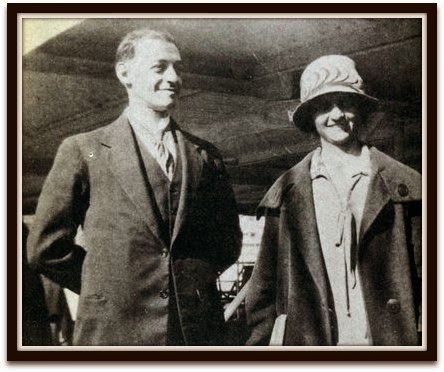
Arthur and Vera Pink

In May 1926, Arthur Pink addressed the congregation of Particular Baptist Church in Sydney, Australia. His topic was “Headship” and the sermon text was 1 Corinthians 11:2-16. Through this sermon we come to understand what Pink believed about the symbol of head covering.

He believed that the symbol should be practiced today and distanced himself from the cultural view. He said that “there are some who claim that much in this first epistle to the Corinthians only had to do with local conditions that then existed and does not apply to the churches of God today. I emphatically deny it.” He also didn’t see this as an insignificant matter. He knew that “there is nothing small or trivial in the things of God” and that “big doors swing on little hinges.” That’s why he exhorted his congregation on this passage. Through his words we see that head covering in Australia was losing popularity even in the 1920’s. He said that wearing one may “cause the world to sneer” and “bring upon you the taunt of ‘old-fashioned'”. He also mentioned that there was “fashion which is increasingly popular among women today” of cutting their hair short, which he was strictly against. This was the era of the first wave of feminism and we see that it was already having a negative impact on biblical gender roles and distinctions. Read more

What Does A Head Covering Mean?

In this video Elizabeth McGee explains what a head covering means according to the Bible. If you’ve ever been asked “why are you wearing that?” this is how you can answer.

Head Covering: Not Only Believed By The Simple

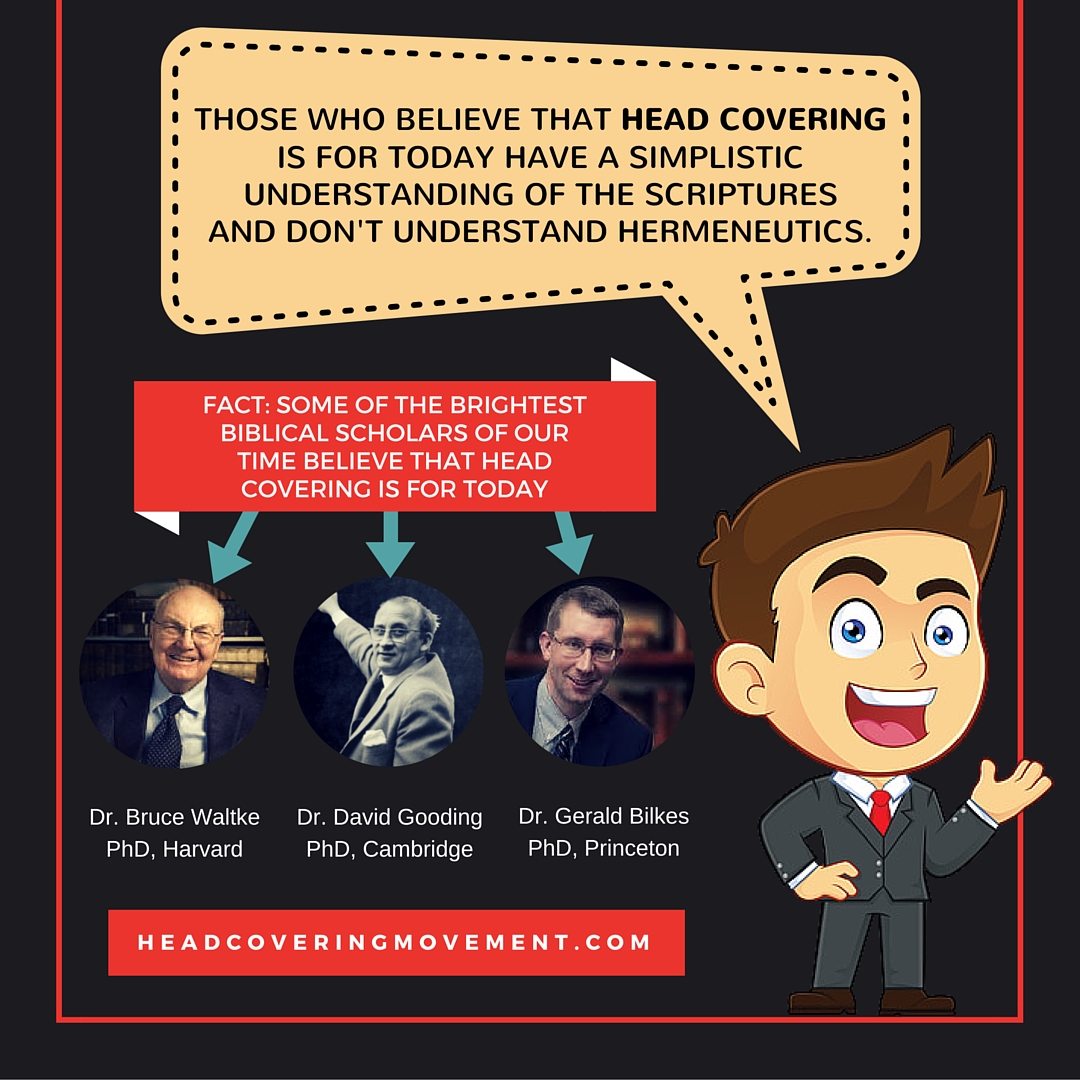
We’ve heard it said that those who hold to head covering are “simple” and unskilled in Biblical exposition. The fact is, many of the brightest biblical scholars with prestigious degrees believe in this doctrine too.

Head Covering: Not Only Believed By The Simple

Don’t forget to read: Which Christian Leaders Believe in Headcovering?

Did you know that Christian scholars with PhD's from Princeton, Harvard, and Cambridge believe in #Headcovering? Click to Tweet


Biblical Womanhood & Modesty

While we hope that Scripture’s teaching on Biblical Womanhood has first and foremost affected your heart and behavior, have you allowed it to speak to your appearance and wardrobe too?

Biblical Womanhood - Modesty
Have you allowed Scripture's teaching on Biblical womanhood to speak to your appearance and wardrobe? Click to Tweet

Former Atheist is now a Complementarian Christian wife who wears a headcovering

Elizabeth McGee shares her testimony about how she went from being an Atheist to a Complementarian Christian wife & mom who covers her head during corporate worship.

This interview was filmed in Louisville, Kentucky in April 2016 by Jeremy Gardiner of the Head Covering Movement.

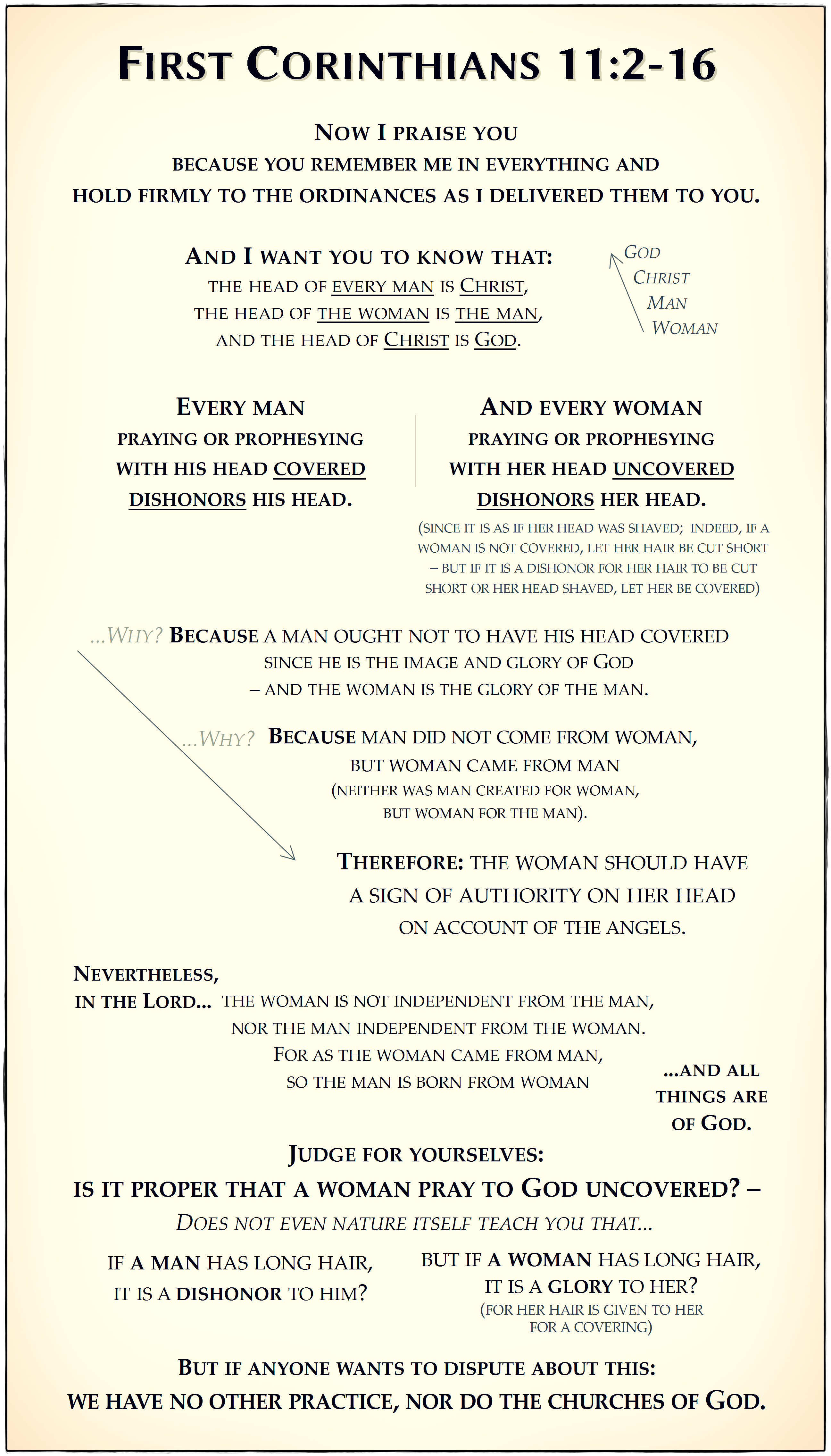
1 Corinthians 11 (Visual Presentation)

David Phillips (author of Covered Glory) has created this excellent visual presentation of 1 Corinthians 11. It helps show the structure and flow of Paul’s argumentation. We hope this helps bring clarity in your own mind regarding this passage.

Visual Guide to 1 Corinthians 11
Send this to a friend