In this video, I show you an important first-century funeral urn. What’s unique about this urn is what the inscription says and what that means for the cultural view of head covering.
I am a complementarian. This means I believe that while men and women are both created in the image of God and are equals in value and worth; they each serve a different function. In the home, the husband has been given the authority (headship) to lead his wife whereas the wife was created to help her husband and follow his leadership (submission). I believe the authority and submission in the home, pictures the relationship between Christ and His church. I also believe this was God’s original design; a pre-fall masterpiece, not a post-fall disaster.
I am encouraged by the large resurgence of complementarians and the numerous biblical scholars who defend this truth. They uphold male authority and female submission in the home and believe the office of elder (pastor) is for men only.
Within complementarianism, I hold to what is now a minority position. I believe that the functional difference between men and women should be symbolized to both men and angels when the church gathers together for worship. Yes, I believe that head covering (as taught in 1 Corinthians 11) is a timeless, transcultural symbol for Christians under the new covenant. Read more
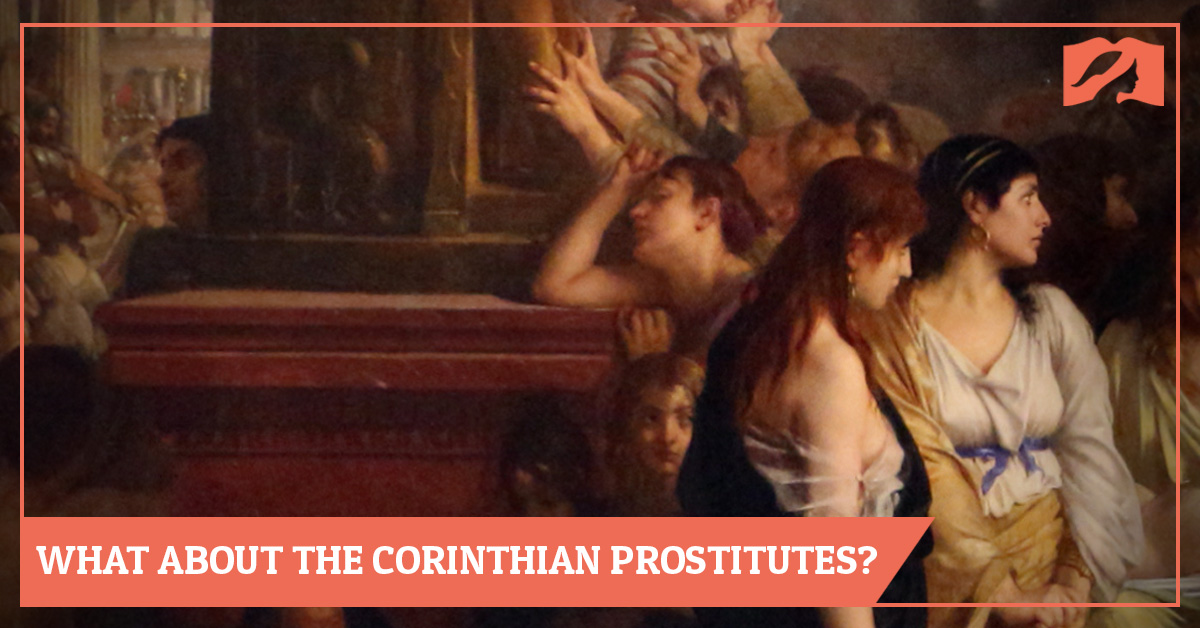
The Objection: In Paul’s day, prostitutes wore their hair short and did not cover their heads. Because it was customary in that culture for women to wear a head covering, failure to do so would readily identify a woman as a prostitute. Since the situation was local, a head covering is not necessary today.
While looking at the culture of the time can often be helpful, it becomes dangerous when we start assigning reasons for a command that are different than what the author gives.
R.C. Sproul says, “If Paul merely told women in Corinth to cover their heads and gave no rationale for such instruction, we would be strongly inclined to supply it via our cultural knowledge. In this case, however, Paul provides a rationale which is based on an appeal to creation not to the custom of Corinthian harlots.” 1) R.C Sproul – Knowing Scripture, 1977, ch 5, pg 110.
He goes on to say, “We must be careful not to let our zeal for knowledge of the culture obscure what is actually said.”2) R.C Sproul – Knowing Scripture, 1977, ch 5, pg 110.