fbpx

Navigate / search

Head Covering and the City of Corinth: An Introduction to Corinth

CONTEXT IS KING

For the last 2,000 years, the Christian practice of head covering has been rooted in the Apostle Paul’s letter to the local church in the city of Corinth. Paul taught, corrected, and exhorted the believers there to live godly lives before the Lord – including the command for women to wear a covering on their heads while praying, and for men to remove any covering (1 Cor 11:2-16).

In his letter, Paul often dealt with both universal and local issues. So, which of those two categories does head covering fall into? The answer often depends on who you ask. But whether the person answers universal or local, both answers often have something in common: they are based on the person’s understanding of head covering in the context of the Corinthian church. In Corinth, was the Christian practice of head covering cultural, or counter-cultural? Let’s take a look at the city of Corinth to learn more about this particular church’s context. Read more

Sources, Sources…What are your Sources?

Sources, Sources…Where are your Sources?
bible-transparent

Our Bible is a historical book. It was written thousands of years ago, by many different people who lived in many different regions. Since there are thousands of years that separate us from the Biblical events, Christians will always have a need to understand the past. Though it can be abused, understanding historical settings, cultures and geography can be immensely helpful to us in understanding our Bibles.

When a historical claim is made, biblical commentators usually add a footnote to alert the reader to where they found that information. After all, the commentator didn’t live in Biblical times so the ONLY way they can know about a past time or culture is if they have a historical source (written or archaeological). Sources help us determine what is true about the past and they help us to reject mere speculation and conjecture. Read more

Is Head Covering Cultural? What about the Corinthian Prostitutes?

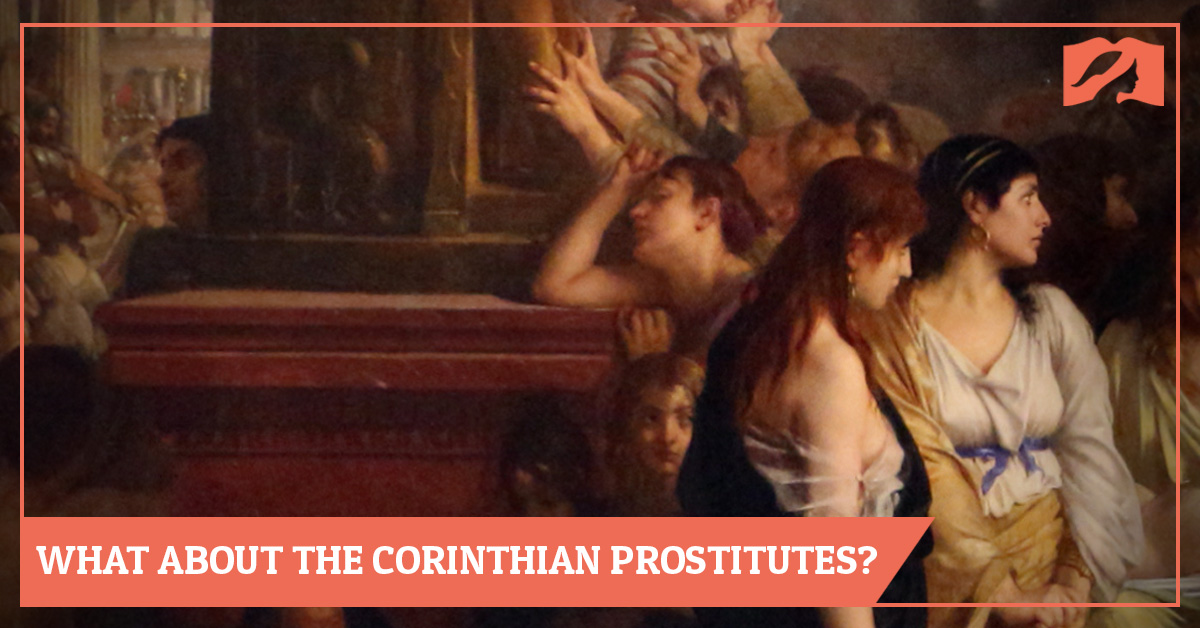
What About the Corinthian Prostitutes?
The Objection: In Paul’s day, prostitutes wore their hair short and did not cover their heads. Because it was customary in that culture for women to wear a head covering, failure to do so would readily identify a woman as a prostitute. Since the situation was local, a head covering is not necessary today.

While looking at the culture of the time can often be helpful, it becomes dangerous when we start assigning reasons for a command that are different than what the author gives.

R.C. Sproul says, “If Paul merely told women in Corinth to cover their heads and gave no rationale for such instruction, we would be strongly inclined to supply it via our cultural knowledge. In this case, however, Paul provides a rationale which is based on an appeal to creation not to the custom of Corinthian harlots.” 1) R.C Sproul – Knowing Scripture, 1977, ch 5, pg 110. He goes on to say, “We must be careful not to let our zeal for knowledge of the culture obscure what is actually said.” 2) R.C Sproul – Knowing Scripture, 1977, ch 5, pg 110.

In 1 Corinthians 11 Paul appeals to the creation order, nature’s witness and angels, all which transcend culture. He tells us that head covering is a part of official apostolic teaching and is the practice of all churches, everywhere. So that means a local situation in Corinth cannot explain head covering since it was the standard practice outside of Corinth as well. Read more

References

1.
 R.C Sproul – Knowing Scripture, 1977, ch 5, pg 110.
2.
 R.C Sproul – Knowing Scripture, 1977, ch 5, pg 110.
Send this to a friend