01
Introduction
Begin with the right question.
Head covering is often dismissed before the passage is ever opened. This short introduction helps you set assumptions aside and ask a better question: what does Paul actually teach?
Everything you need to study head covering in one place: the text of 1 Corinthians 11, the case for the practice, answers to common objections, and clear next steps.
You don't need to settle this question in one sitting. Begin with the passage itself, then work through the five biblical reasons at your own pace. Let the text lead you.
Head covering is often dismissed before the passage is ever opened. This short introduction helps you set assumptions aside and ask a better question: what does Paul actually teach?
Before weighing any arguments, read the passage slowly for yourself. You can read it right here on this page and compare how the major English translations render it.
Read the PassageOnce you have read the passage, explore the biblical case in whichever way you learn best: read through the five reasons, or listen to a recommended sermon or series.
Read or ListenAfter studying the case, use the articles and videos to answer specific questions or objections. If you still cannot find an answer, ask in the community groups.
Find AnswersRead the passage in full, then use the tabs to compare how the major English translations render it.
New American Standard Bible, 2020 edition.
The study path gives people two ways forward: read the case through the five reasons, or listen to it through a concise or comprehensive sermon option.
Work through the case one reason at a time, following the flow of Paul's own argument in 1 Corinthians 11.
Holding to what has been delivered to us.
Paul roots the symbol in the order of creation, not in a local custom.
Paul explicitly appeals to the unseen heavenly audience.
Paul appeals to nature’s witness about masculine and feminine distinctions.
Paul concludes by appealing to the shared practice of the churches of God.
Choose a concise overview if you want the argument in one sitting, or a comprehensive series if you want to work slowly through the passage.
Still have questions? After studying the passage, use these resources to work through remaining objections or practical concerns. If something still feels unresolved, you can ask other Christians in the community.
Find answers to the questions that usually come up first.
Read answers to common questions, objections, and practical concerns.
Watch answers to common questions, objections, and practical concerns.
Bring remaining questions to people who are willing to help you think them through.
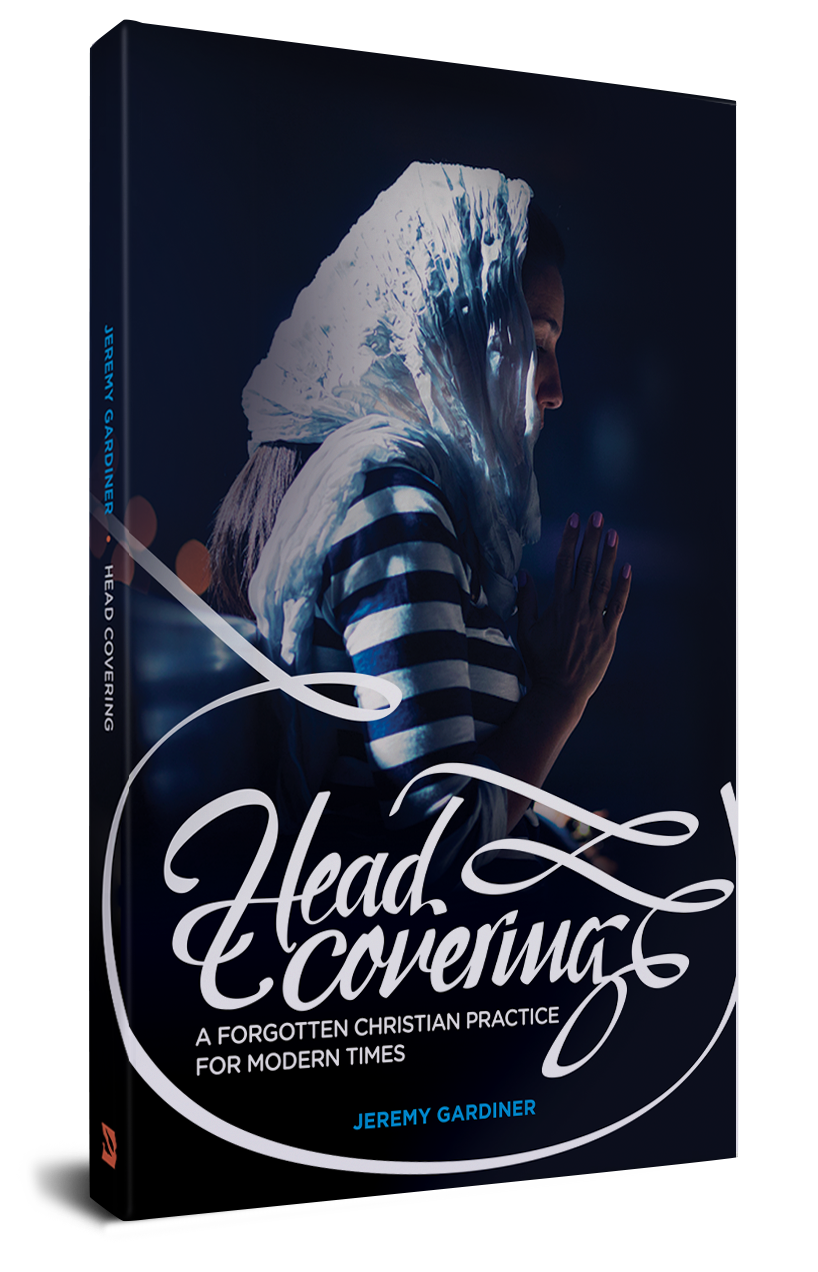
For a fuller treatment of Scripture, church history, objections, and practical questions, continue with Jeremy Gardiner’s book Head Covering: A Forgotten Christian Practice for Modern Times.

