
Rediscovering the beauty, reverence, and theological significance of head covering for the glory of God and the good of His Church.
Rediscovering the beauty, reverence, and theological significance of head covering for the glory of God and the good of His Church.
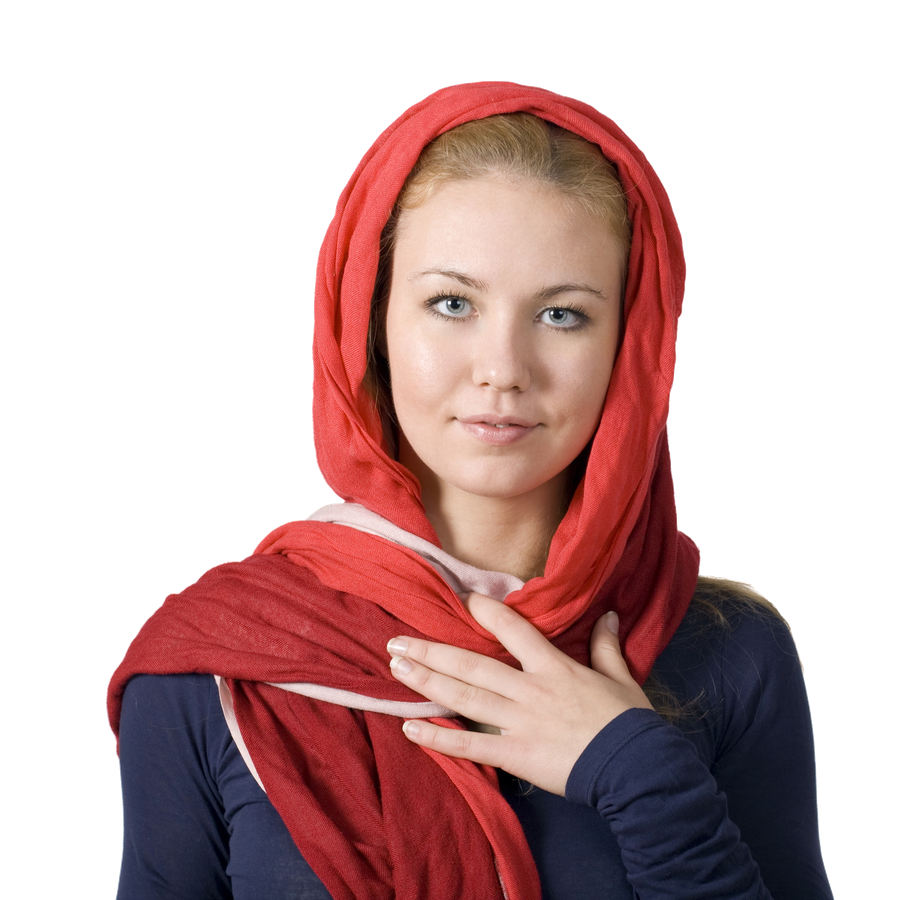
A head covering is a New Covenant symbol that a woman wears while praying and prophesying. It veils human glory so that only God’s glory is displayed, and it marks her as one who is under authority. The man does the opposite, praying and prophesying with his head uncovered to display the unveiled glory of God and his God-given headship. Together, they picture the gender roles established in creation.

Most of us have heard why 1 Corinthians 11 supposedly does not apply today. Maybe you were told the covering was a custom for ancient Corinth. Maybe you heard it just means a woman's long hair. But if you are like most Christians, you accepted one of those answers without ever really studying the passage. This site exists to ask a simple question: what if Paul meant what he said?
Paul gives fifteen consecutive verses to this practice. It is not an Old Testament ceremonial law fulfilled in Christ, but instruction delivered to the New Testament church to hold firmly.
The popular claim that a covering marked a respectable woman does not match the evidence. Surviving portrait busts from first-century Corinth most often show honored women bare-headed.
Paul appeals to creation, nature, and the angels. Had he meant a local Corinthian custom, he could have said so, but his reasons transcend culture.
For the first fifteen hundred years the church practiced head covering without exception, and it remained the dominant view until the 1960s.
For a fuller collection of quotations on this practice, see David Phillips’ book Headcovering Throughout Christian History.
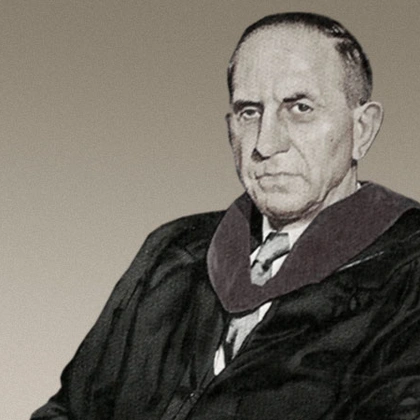
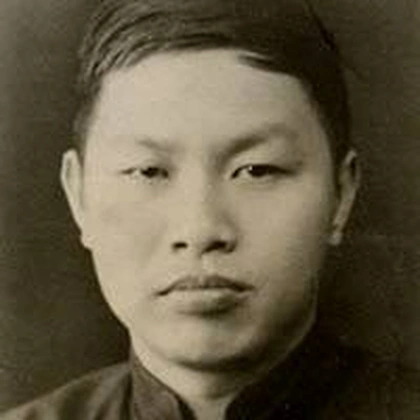
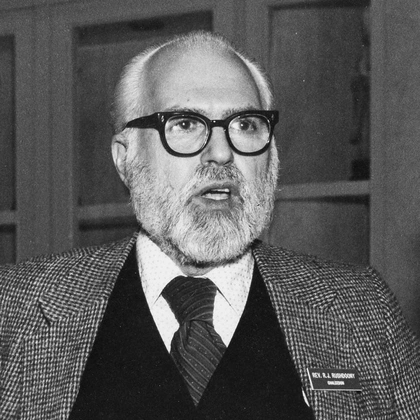
Some assume head covering is a “theology-lite” conviction, held only by Christians with a simple faith or weak hermeneutics. That is simply not true. These modern Christian pastors, scholars, and public voices affirm head covering for today, including teachers with doctorates from institutions such as Harvard, Princeton, and Cambridge.






This guide introduces five common categories of head coverings so you can see what makes each one distinct.
Hover to view the back. Tap to view larger images.
Lightweight coverings that rest or drape over the hair, usually without being wrapped or tightly tied. Often made from lace, mesh, chiffon, or other soft fabrics.
Flexible fabric coverings shaped, folded, tied, or draped around the head. They are usually secured under the chin, at the nape, or around the back of the head.
Larger pieces of fabric worn over both the head and shoulders. Their greater length and width provide fuller coverage and a loose, flowing appearance.
Fabric coverings wrapped or fitted closely around the head. They are shaped through folding, twisting, layering, or tying rather than simply draped over the hair.
Structured or fitted coverings that sit securely on the head and keep their shape. They may include brims, shaped crowns, or ties, and are generally more tailored than veils, scarves, or wraps.
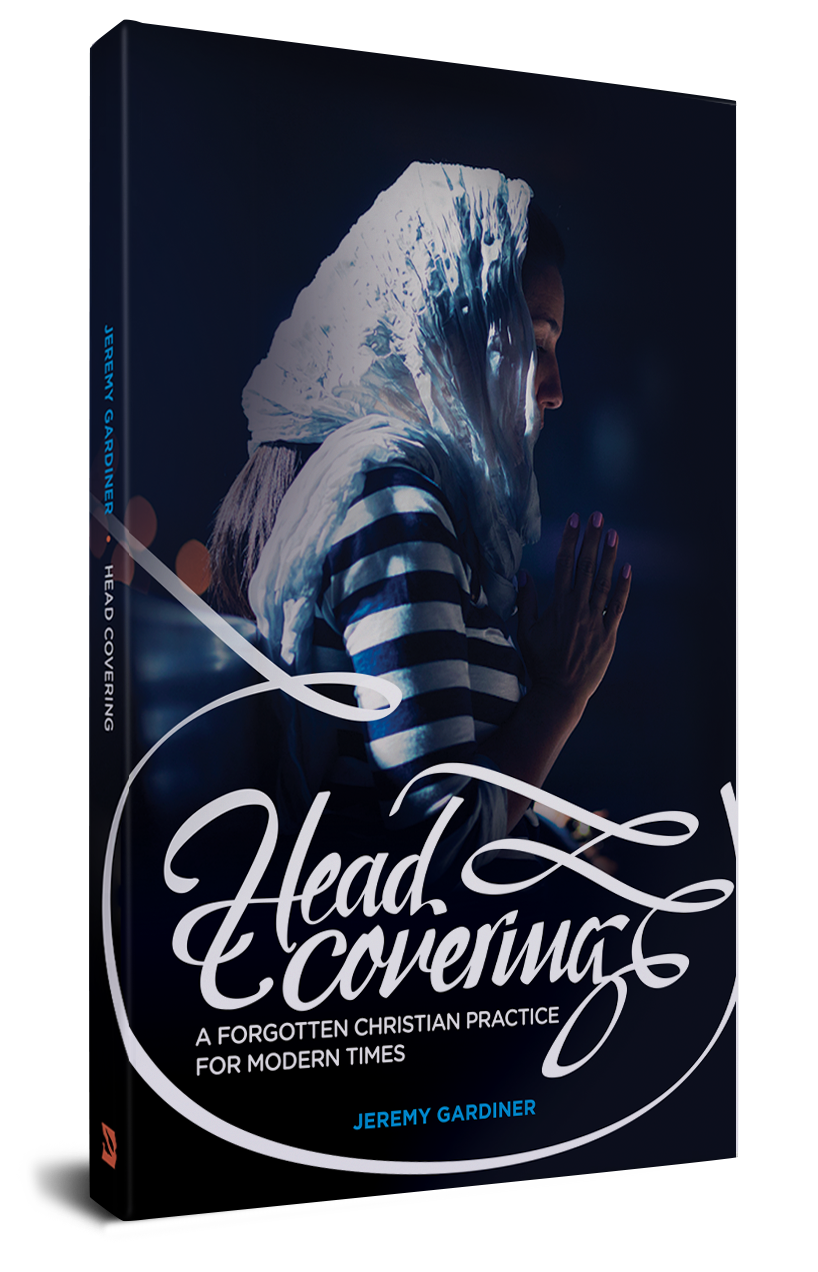
A Forgotten Christian Practice for Modern Times
The definitive book on head covering from Jeremy Gardiner, founder of the Head Covering Movement. This book takes readers through 1 Corinthians 11, the history of the practice, the most common objections, and the practical questions Christians face today, showing why this ancient practice remains biblical, beautiful, and relevant.
Join the community, ask questions, & receive support from other Christians studying and practicing head covering.
Stay informed about the latest HCM news and updates through our email list, which we send out only 2 to 4 times a year.






















Social Media
Follow and share head covering content online. We post resources, highlight community content, and help Christians rediscover this biblical practice.